What to look for in West Virginia homes
Biohazard risks don’t always announce themselves with loud alarms. In West Virginia, a quiet odor, unusual stains, or lingering dampness can signal a problem that needs professional assessment. Our crews in every West Virginia metro see the same patterns: changes in air quality, odd textures on surfaces, and rooms that feel consistently damp even after cleaning. Recognizing these signs early helps you decide when to call a biohazard remediation technician rather than attempting do-it-yourself fixes.
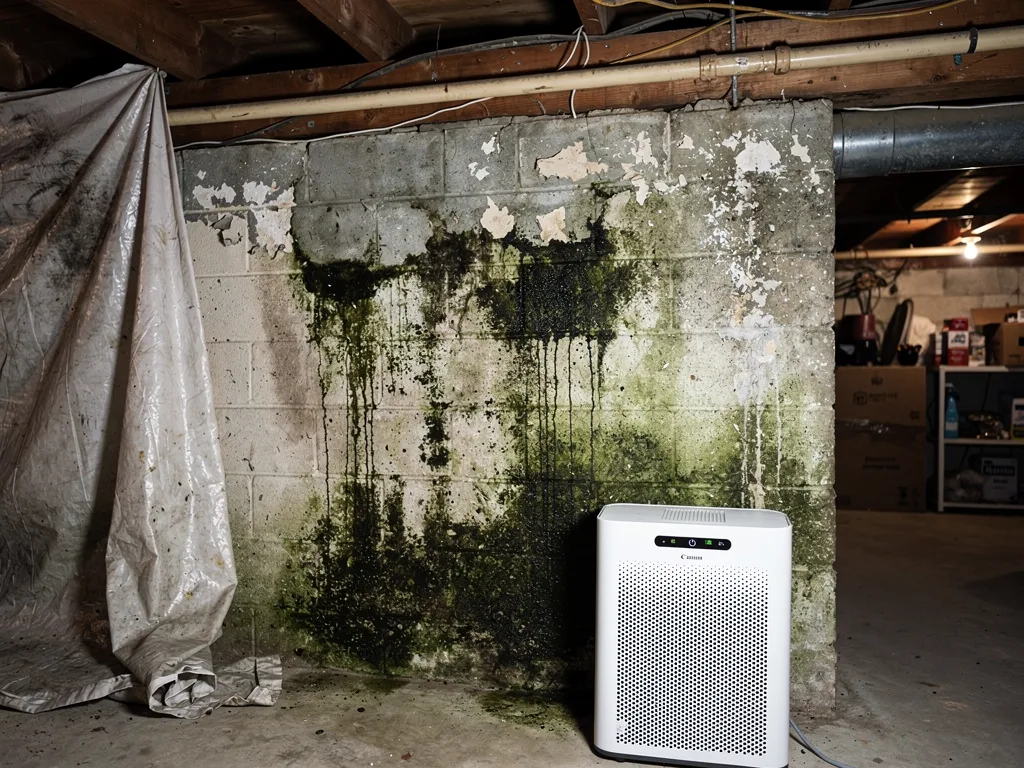
Trustworthy indicators include persistent odors that don’t dissipate after ventilation, discolored surfaces near a water source, and visible residue or staining on floors, walls, or ceilings. If you’ve had a spill, accident, or change in room use, consider whether a professional evaluation is warranted. West Virginia homeowners deserve clarity and a careful approach to safety.
Typical scenarios where signs matter
Certain events heighten the chance of unseen hazards. A failed water seal, a rodent or insect-related issue, or a medical incident can leave behind contaminants not visible to the naked eye. If you notice a musty odor that lingers, a change in color or texture on upholstery or carpeting, or any sign of biological staining, it’s time to contact a biohazard remediation technician for an assessment. Across West Virginia, our team prioritizes clear communication and safe, measured steps to identify the problem.
Documentation helps too. Keep photos of affected areas, note dates and any incidents, and share these with our team. In a state-wide service area, we tailor our approach to your home and your schedule, with crews in every West Virginia metro ready to respond.
What happens next
Once a professional arrives, they’ll evaluate the visible signs and the likely sources behind them. They’ll discuss findings in plain language and outline a plan tailored to your home. The goal is to restore safe conditions while avoiding unnecessary disruption. If the signs point toward deeper contamination, a biohazard remediation technician will outline containment, cleaning, and restoration steps that fit your home’s layout and your timeline.
Practical steps for homeowners
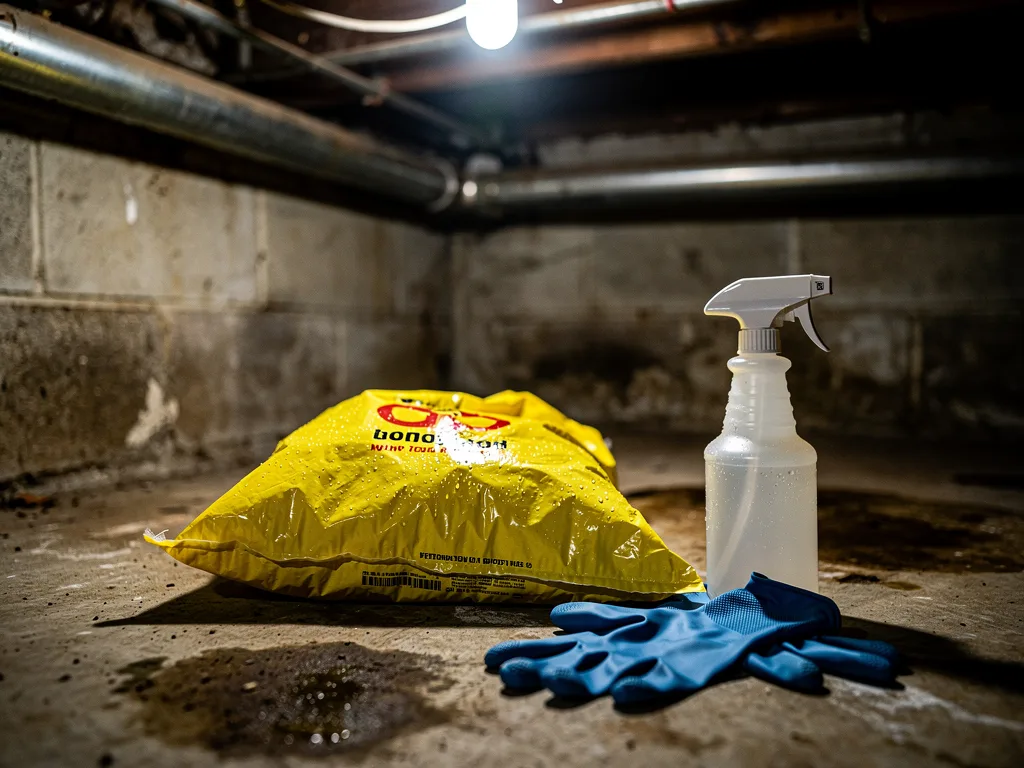
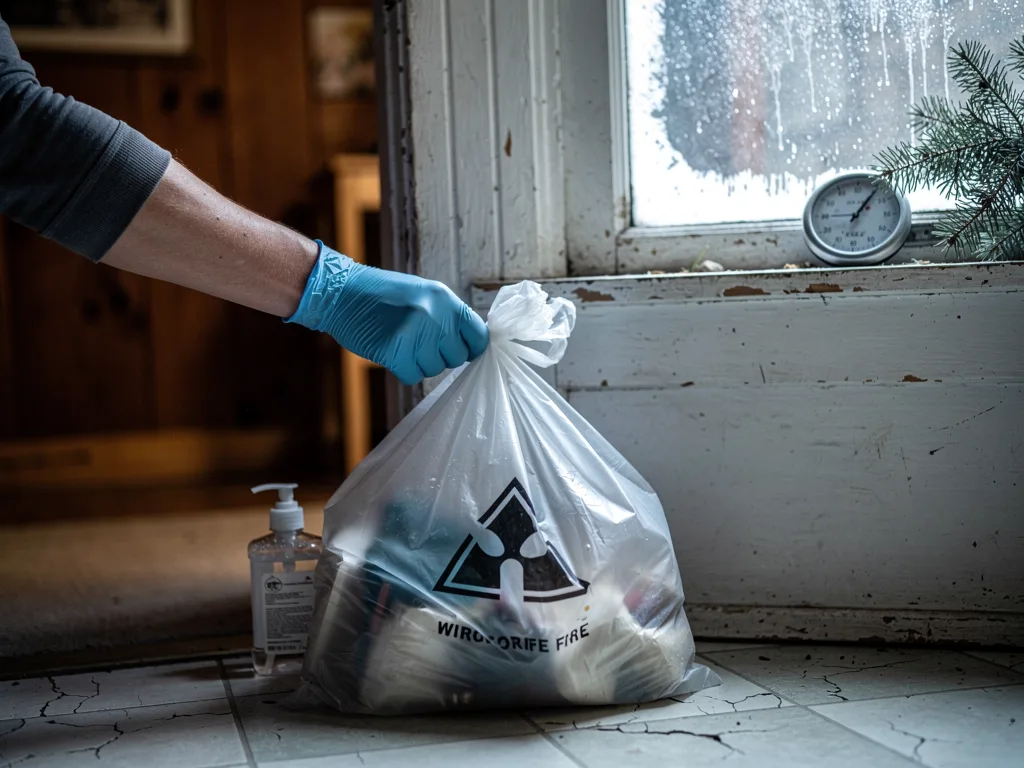
Even before the professionals arrive, you can reduce risk by limiting access to affected areas, avoiding moving contaminated materials, and ventilating the space where possible. Do not attempt to scrub or rinse visible stains with household cleaners, which can spread contamination or set stains deeper. When in doubt, call West Virginia Biohazard Cleanup. Our crews in every West Virginia metro bring a careful, state-wide approach to safety.
- Document concerns with notes and photos for the assessment.
- Limit access to the affected area to reduce cross-contamination.
- Schedule a professional assessment promptly if signs persist.
In West Virginia, proactive steps and professional insight protect your home and family. If you notice any of these warning signs, reach out to a biohazard remediation technician from West Virginia Biohazard Cleanup for a clear next step.